There’s a reason so many students are drawn to cyber security. The demand is there, the career pathways are broad, and the work itself carries real responsibility.
But getting started is where most people hesitate.
Without experience, it’s easy to assume you’re not ready. In reality, most people entering the field start in the same position. What separates those who move forward is how they approach that first step.
An internship gives you that entry point, and this article will show you how the industry actually operates day to day.
Why an Internship Is the Starting Point for Cyber Security Careers
Cyber security is one of those fields where theory alone doesn’t carry much weight. Employers want to see how you think, how you approach problems, and how you handle real scenarios. Experience:
- Exposure to real systems, not just coursework
- Working in a team environment
- A clearer understanding of different specialisations
- Something concrete to include on your resume
Premium Graduate Placements believe that many students move into long-term roles after completing an internship, particularly when they’ve already proven how they work within a team.
That shift from student to someone who has worked in the field is what changes how employers view you.
What You Need Before Applying

There’s a common assumption that you need to know everything before you apply. That’s not how hiring teams look at interns. Most expect a basic foundation, not expertise.
Relevant study helps, but it’s not everything
Many roles still list degrees in IT, Computer Science, or related fields. It helps with getting past initial screening, but it doesn’t guarantee anything on its own. There are also alternative paths like:
- Bootcamps
- Online learning platforms
- Self-guided technical projects
What matters more is showing that you’ve taken steps to learn beyond the classroom.
Basic technical understanding
You don’t need advanced knowledge, but you should be familiar with:
- Operating systems (Windows, Linux, Mac)
- How networks function
- General IT concepts
Cyber security builds on how systems work. Without that base, it’s harder to follow what’s happening.
Foundational cyber concepts
Even at an entry level, it helps to understand:
- Confidentiality, Integrity, Availability (CIA principles)
- Why data protection matters in a business context
- How organisations respond to threats
This shows you understand the purpose behind the work, not just the tools.
The Skills Employers Pay Attention To
Technical ability matters, but it’s not always the deciding factor. From a hiring perspective, soft skills often stand out more.
Communication and people skills
Cyber security teams don’t work in isolation. You’ll be speaking with:
- Internal teams
- Managers
- Non-technical staff
Explaining issues clearly, especially when something has gone wrong, is part of the job.
Critical thinking
Security work isn’t linear. Priorities shift quickly. You might start investigating one issue, then need to switch focus immediately. Being able to assess what matters most is a key part of the role.
Organisation
Work is often handed between team members. Clear notes and structured thinking help maintain continuity.
This becomes especially important in environments like Security Operations Centres (SOCs), where multiple people handle the same systems.
Where Cyber Security Internships Are Found

Many students assume opportunities are limited to big tech companies. In reality, cyber security roles exist across almost every industry.
Large organisations
Banks, software companies, and large enterprises often run structured internship programs. These may include:
- SOC roles
- Rotational programs across teams
- Specialised areas like vulnerability management
Managed Security Service Providers (MSSPs)
These companies handle security for other businesses. They often:
- Offer entry-level roles
- Provide exposure to multiple clients
- Move quickly, which helps build experience
Smaller businesses
Smaller companies also hire interns, even if roles aren’t heavily advertised. Some candidates find opportunities simply by researching companies directly and reaching out.
The takeaway is simple: cyber security exists wherever there is data to protect.
How Students Land Their First Internship
The application process isn’t just about submitting resumes. It’s about showing intent.
Networking matters more than people expect
Building a presence on platforms like LinkedIn helps. Engaging with content, asking questions, and connecting with professionals can lead to opportunities that aren’t publicly listed.
Resumes need to show genuine interest
Employers aren’t expecting years of experience. They’re looking for signs that you’ve explored the field. That could include:
- Personal projects
- Home labs
- Online challenges or platforms
- Basic coding or scripting
Even small projects demonstrate curiosity and initiative.
Experience with people still counts
Part-time jobs, retail roles, or team-based activities all show:
- Communication skills
- Reliability
- Ability to work with others
These carry more weight than many students expect.
What a Cyber Security Internship Gives You
Once you’re in, the value goes beyond technical skills.
Hands-on experience
You move from theory to real environments. That includes:
- Monitoring systems
- Responding to alerts
- Understanding how teams operate under pressure
Exposure to different career paths
Cyber security isn’t one role. Internships help you explore areas like:
- Network security
- Cloud security
- Risk and compliance
- Security operations
Many students enter with one goal and leave with a completely different direction.
Professional awareness
Understanding workplace expectations, communication styles, and team dynamics is just as important as technical ability.
These are things you only pick up by being there.
How Premium Graduate Placements Supports Your First Step
What sets Premium Graduate Placements apart is how tailored the experience is to each student. The program is designed to be flexible, so you’re not locked into rigid timelines or one-size-fits-all pathways.
You’ll gain access to a network of over 6,200 host companies, including opportunities that aren’t advertised publicly. Many students also move into paid roles after completing their placement, with more than 72% receiving employment offers from their host company.
Support doesn’t stop at placement. You’ll receive resume guidance aligned with Australian standards, personalised interview preparation, and mock interview sessions to help you approach opportunities with confidence. If needed, multiple interview opportunities are arranged to give you the best chance of securing the right role.
With intakes available throughout the year and a team of experienced consultants guiding the process, the focus is on helping you step into a placement that actually supports your long-term career direction.
Many students use this pathway not just to gain experience, but to move into long-term employment.
Read about our program, stories, and vacancies.
You can also explore more career-focused advice here: Resume Mistakes Students Make After Internships (And How To Fix Them)
Starting a Career in Cyber Security Through an Internship
The first step into cybersecurity isn’t about knowing everything. It means showing interest, building a foundation, and putting yourself in environments where you can learn quickly.
An internship gives you that space to test your skills, understand the work, and decide where you want to go next.
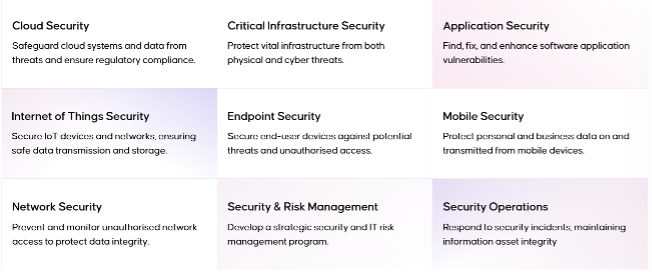
Types of cyber security internships
Contact us directly to learn more about cyber security internships and opportunities across Australia. Easily call up 1300 000 000 or send us an email at info@premiumgraduate.com.au. We'll get back to you as soon as we can!